
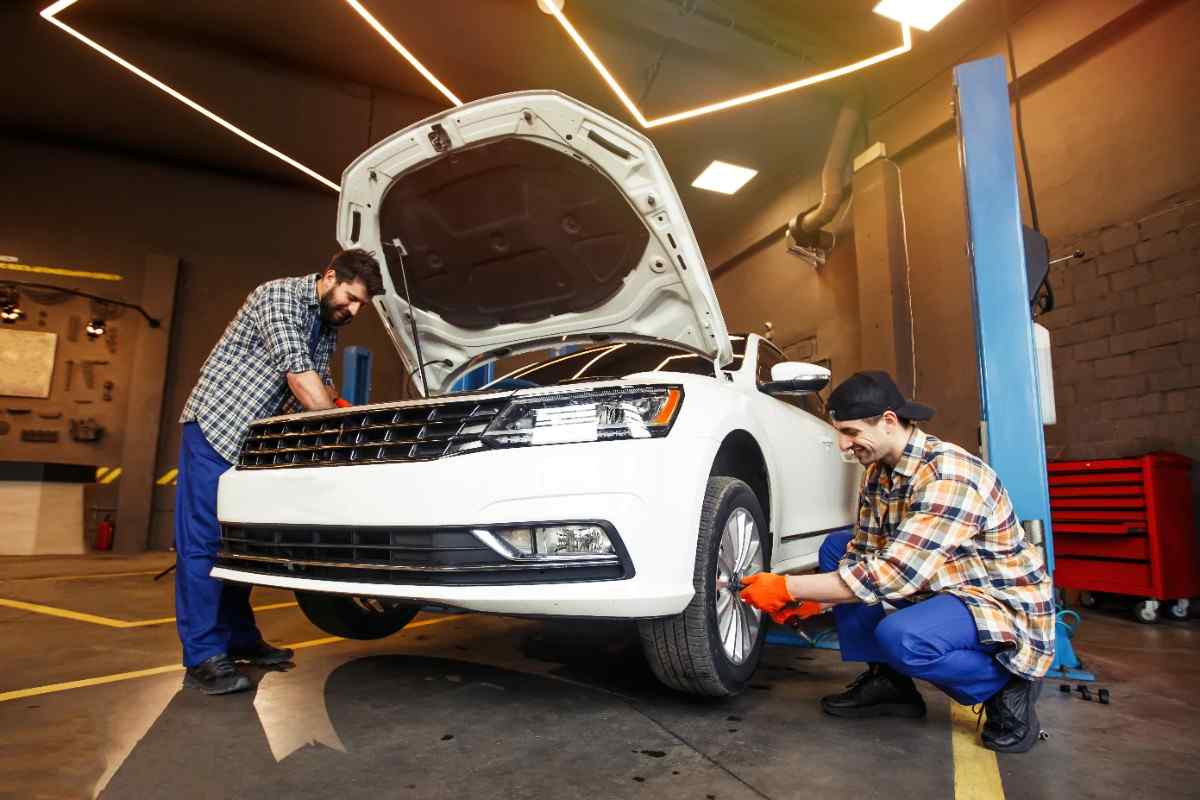
Gas prices are rising, and fuel bills take a big chunk of household budgets. While you can’t control pump prices, you can reduce visits with better vehicle efficiency. It’s not just about owning a hybrid—it’s about proper maintenance, smart driving habits, and strategic choices. Whether you drive an old truck or a new sedan, improving efficiency saves you money and lowers your carbon footprint.
Understanding MPG: The Metric of Efficiency
Before you can improve your efficiency, you need to understand how it is measured. MPG, or Miles Per Gallon, is the standard metric used in the United States to determine how far your vehicle can travel on a single gallon of fuel.
How to Calculate Your Real-World MPG
Your car likely has an EPA rating listed on the window sticker—for example, 25 MPG city and 35 MPG highway. However, these are estimates based on standardized tests. Your real-world MPG varies based on terrain, load, and weather.
Many modern cars have a digital display that calculates this for you in real-time. If you drive an older vehicle or simply want to verify the computer’s accuracy, you can calculate it manually:
- Fill your tank until the pump clicks off.
- Reset your trip odometer to zero.
- Drive as you normally would until you need gas again.
- Refill the tank until the pump clicks off. Note exactly how many gallons you added.
- Divide the miles on your trip odometer by the gallons you just pumped.
If you drove 300 miles and used 10 gallons of gas, your efficiency is 30 MPG. Tracking this number over time is the best way to see if your new habits are working or if your car needs maintenance.
Driving Habits: The Nut Behind the Wheel
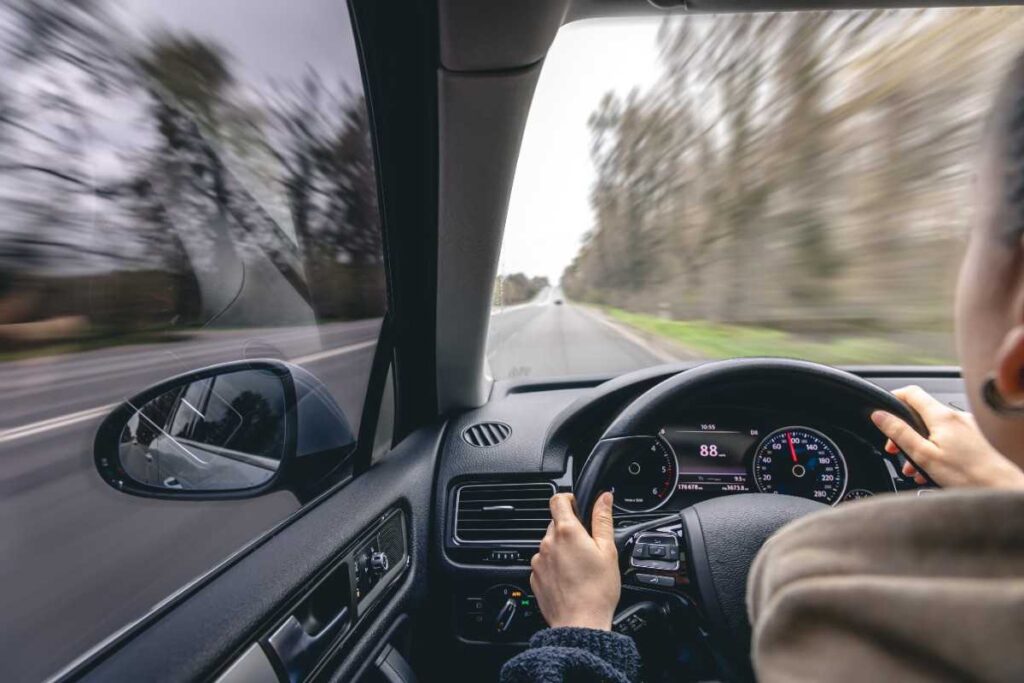
The single biggest variable in vehicle efficiency is the driver. You can take a highly efficient car and ruin its MPG with poor driving habits, just as you can nurse impressive mileage out of a gas-guzzler with careful technique.
Smooth Acceleration and Braking
Aggressive driving—speeding, rapid acceleration, and hard braking—can lower your gas mileage by roughly 15% to 30% at highway speeds and even more in stop-and-go traffic.
Your engine uses the most fuel when it is fighting inertia to get the vehicle moving. Stomping on the gas pedal dumps fuel into the engine faster than it can be efficiently burned. Instead, imagine there is an egg under your gas pedal. Press it gently. Aim for a smooth, gradual increase in speed.
Similarly, hard braking wastes energy. Every time you brake, you turn the forward momentum you spent gas to build into heat. By anticipating traffic lights and slowing down early, you might catch the light turning green, allowing you to coast through without stopping completely.
The Impact of Speed
Aerodynamic drag creates a massive barrier to efficiency. As you speed up, wind resistance doesn’t increase logically; it increases exponentially.
For most vehicles, efficiency peaks between 40 mph and 60 mph. Once you push past 60 mph, MPG usually drops significantly. According to the Department of Energy, every 5 mph you drive over 50 mph is like paying an additional $0.27 per gallon for gas. Using cruise control on the highway can help maintain a constant speed and prevent the subtle accelerations that drain your tank.
Idle Time
Idling is perhaps the most wasteful habit of all because you are getting zero miles per gallon. If you are waiting for someone for more than 10 seconds, it is generally more efficient to turn off the engine and restart it when you are ready to go. Modern cars with “stop-start” technology do this automatically for a reason.
Vehicle Maintenance: The Mechanical Factor
A neglected car is a thirsty car. When mechanical systems aren’t running smoothly, the engine has to work harder to overcome friction and resistance.
Tire Pressure and Alignment
Your tires are the only contact point between your vehicle and the road. If they are under-inflated, they create more rolling resistance. It’s like trying to ride a bicycle with flat tires—you have to pedal much harder to get anywhere.
Check your tire pressure monthly. You can find the recommended PSI (pounds per square inch) on a sticker inside the driver’s side door jamb, not on the tire sidewall (which lists the maximum pressure). Keeping tires properly inflated can improve gas mileage by up to 3%.
Additionally, ensure your wheels are aligned. If your alignment is off, your tires are essentially fighting each other, dragging sideways slightly as you drive forward. This kills your MPG and destroys your tires.
Oil Changes and Friction
Engine oil lubricates the moving parts of your engine. Over time, oil breaks down and becomes thicker and sludge-like. This increases friction, forcing the engine to work harder to spin at the same speed.
Regular oil changes using the manufacturer’s recommended grade of motor oil are essential. Using a 10W-30 oil in an engine designed for 5W-30 can lower your gas mileage by 1-2%. Many experts also recommend synthetic oils, which offer better lubrication and flow characteristics, especially in extreme temperatures, further reducing internal friction.
Transmission Services
The transmission transfers power from the engine to the wheels. It is often overlooked in efficiency discussions, but it plays a vital role.
If your transmission fluid is old, burnt, or low, the transmission may slip or shift later than it should. This means the engine revs higher than necessary to maintain speed, burning extra fuel. A transmission service, like those offered in Salt Lake City, ensures that gear shifts are crisp and timely, keeping engine RPMs in the most efficient range.
Air Filters and Oxygen Sensors
Engines need a precise mixture of fuel and air to run. If your air filter is clogged with dirt and debris, the engine has to struggle to pull air in. While modern fuel-injected computers can adjust for this, a dirty filter can still impact acceleration and performance.
More critically, a faulty oxygen sensor can send incorrect data to the engine computer, causing it to inject too much fuel. Fixing a serious oxygen sensor issue can improve mileage by as much as 40%.
Choosing the Right Vehicle
Sometimes, the best way to optimize efficiency is to start with the right hardware. If you are in the market for a new vehicle, efficiency should be a primary consideration.

Engine Size and Type
Do you really need a V8 engine for a daily commute in bumper-to-bumper traffic? Smaller, turbocharged 4-cylinder engines often provide plenty of power for highway merging while sipping fuel during city driving.
Hybrid vehicles bridge the gap, using an electric motor to handle the low-speed, high-consumption moments (like taking off from a stop light) and a gas engine for cruising.
Weight and Aerodynamics
Physics is undefeated: lighter cars require less energy to move. If you are choosing between a heavy SUV and a lighter sedan or crossover, the lighter option will almost always be more efficient.
Pay attention to the vehicle’s profile. Boxy vehicles fight the wind, while sleek, aerodynamic designs slice through it. If you add aftermarket accessories like roof racks or cargo boxes, remember that you are disrupting that airflow. Removing a roof cargo box when it’s not in use can save you significant money on highway trips.
Conclusion
Optimizing your vehicle’s efficiency isn’t about making one massive change; it is about making several small, consistent adjustments. It is checking your tire pressure on a Saturday morning. It is choosing to drive 65 mph instead of 75 mph. It is keeping up with your scheduled maintenance.