

For enthusiasts of aviation history and engineering, collecting miniature aircraft is more than just a hobby—it’s a passion. Each model represents a piece of history, a marvel of technology, or a personal memory.
But acquiring these detailed replicas is only half the journey. The other half is displaying them in a way that does justice to their craftsmanship and significance. A well-thought-out display can transform a simple collection into a captivating museum-quality exhibition.
This guide will walk you through five expert tips to help you showcase your miniature aircraft with the precision and respect they deserve, turning your collection into a stunning focal point.
1. Choose the Right Display Case
The first step to a professional display is selecting the proper enclosure. A high-quality display case not only protects your models from dust, UV light, and accidental damage but also enhances their visual appeal.
Glass or acrylic cases are popular choices, each with distinct advantages. Glass offers exceptional clarity and a premium feel, but it can be heavy and fragile.
Acrylic, on the other hand, is lightweight, shatter-resistant, and provides excellent UV protection, which is crucial for preserving the paint and decals on your models.
When selecting a case, consider the scale of your collection. Wall-mounted cases are excellent for saving space and creating a floating effect, drawing the eye directly to the aircraft.
For larger collections, a freestanding curio cabinet with multiple shelves allows you to group models by theme, era, or type.
Look for cases with built-in lighting to make your display even more dynamic. A mirrored back can also be a great feature, offering a 360-degree view of your models without needing to handle them.
2. Master the Art of Lighting
Lighting is one of the most critical elements in creating a dramatic and professional-looking display. Poor lighting can leave your models in shadow, hiding the intricate details that make them special. The goal is to illuminate each aircraft evenly without creating harsh glares or shadows.
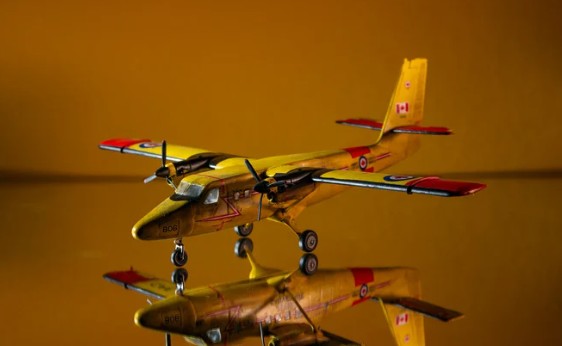
LED strip lighting is an excellent option for display cases because it is energy-efficient, produces very little heat (which could damage models over time), and is available in various color temperatures.
Position your lighting to highlight the key features of your airplane models. For example, a light source from above can mimic the sun, creating a natural look. You can also use multiple adjustable spotlights to focus on specific aircraft within a larger display. Experiment with different angles.
Side lighting can emphasize the texture and contours of the wings and fuselage, while backlighting can create a dramatic silhouette.
Using a dimmer switch gives you control over the intensity, allowing you to create the perfect mood for your collection.
3. Create Thematic Groupings
Arranging your collection thematically tells a story and adds a layer of depth to your display. Instead of placing models randomly, group them based on a unifying concept. This approach not only looks more organized but also educates viewers about the connections between different aircraft.
For instance, you could organize your display by historical eras, such as a World War II shelf featuring Spitfires, Mustangs, and Messerschmitts, or a Cold War section with jets like the F-4 Phantom and MiG-21.
Another popular theme is grouping by airline, showcasing the evolution of a carrier’s fleet over the decades.
A display of Pan Am clippers or a progression of Boeing 747s from different airlines can be visually stunning. You could also group by aircraft type, such as a collection of commercial airliners, military fighters, or experimental aircraft.
This method highlights the design evolution and technological advancements within a specific category. Using small, discreet labels to identify each model, its era, or its significance can add a professional, museum-like touch to your display.
4. Utilize Dioramas and Scenery
To truly bring your collection to life, consider creating dioramas or adding scenic elements to your display.
A diorama can place your model in a realistic context, transforming it from a static object into a snapshot of a moment in time.
For a military aircraft, this could be a detailed airfield scene with ground crew, support vehicles, and a hangar backdrop.
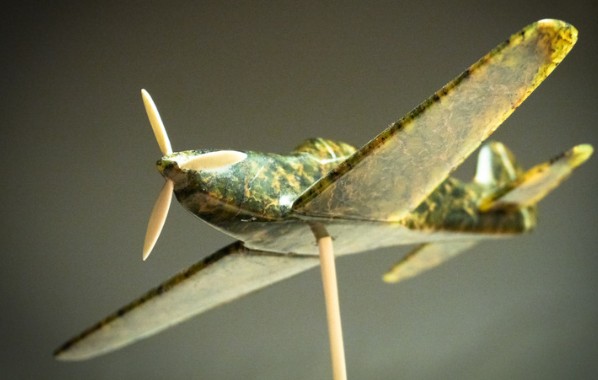
For a commercial airliner, you might create a section of an airport terminal or a runway ready for takeoff.
Even small scenic touches can make a big difference. Custom-made bases that replicate a runway, an aircraft carrier deck, or a grassy field add context and visual interest.
You can purchase pre-made diorama kits or, for the more creatively inclined, build your own using materials from hobby stores.
These scenes add a dynamic quality to your display, encouraging viewers to look closer and appreciate the story behind each model. This technique elevates your collection from a simple showcase to an immersive experience.
5. Pay Attention to Spacing and Arrangement
The way you arrange the models within your display case is just as important as the case itself. Overcrowding is a common mistake that can make a collection look cluttered and diminish the impact of individual pieces.
Give each model enough breathing room to be appreciated on its own. Varying the height and angle of your models can also create a more dynamic and visually engaging display.
Use clear acrylic stands of different heights to arrange aircraft as if they are in flight formation. This creates a sense of movement and depth. For models displayed “on the ground,” angle them slightly to show off their best features.
For example, positioning a fighter jet at a slight angle can highlight the weapons under its wings. Experiment with different layouts before settling on a final arrangement.
The goal is to create a balanced and harmonious composition that guides the viewer’s eye through the collection pleasingly and logically.
Showcasing your collection of miniature aircraft is an art form in itself. By carefully selecting your display cases, mastering lighting, creating thematic groupings, incorporating scenery, and paying close attention to arrangement, you can elevate your collection from a simple assortment of models to a captivating exhibit.
These techniques not only protect your valuable investments but also allow you to share your passion for aviation with others in a visually stunning and informative way. A well-presented collection is a tribute to the history and engineering of flight, creating a display that you can be proud of for years to come.