
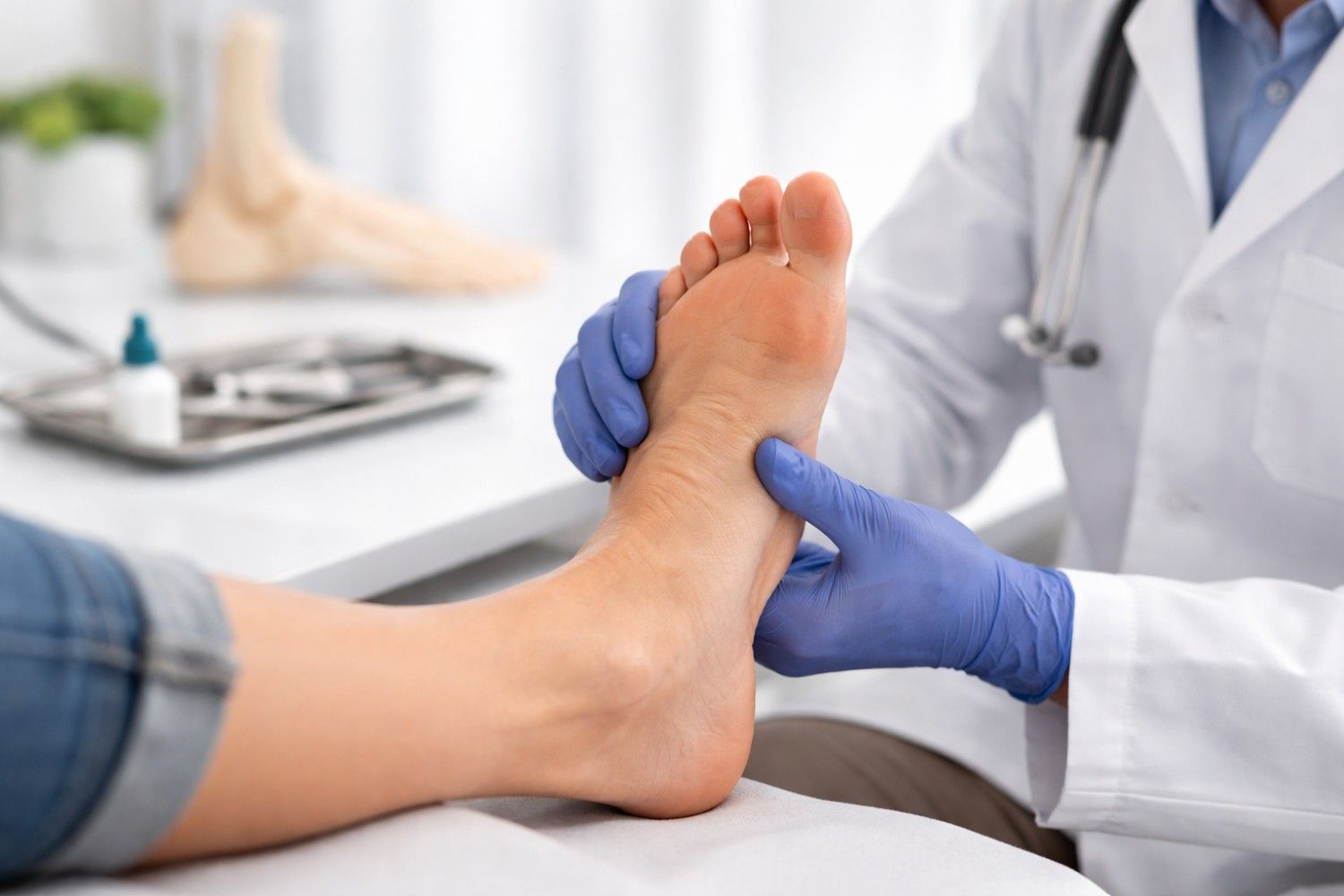
The human foot is an engineering marvel. With 26 bones, 33 joints, and over 100 muscles, tendons, and ligaments, your feet and ankles bear the incredible weight of your entire body every single day. They are your foundation, your mobility, and often, the source of significant discomfort when things go wrong.
Whether it’s a sharp pain in your heel with those first morning steps or a persistent ache after a long run, lower-limb pain is not something you should simply “walk off.” Ignoring these signals can lead to chronic issues that affect your overall quality of life. From common skin conditions to complex musculoskeletal injuries, understanding when to seek professional help is the first step toward recovery.
This guide explores the vital role of specialized podiatric care in managing lower-limb health. We will look at common conditions, the importance of accurate diagnosis, and how expert treatment can get you back on your feet—pain-free.
Understanding the Complexity of Foot and Ankle Health
Many people underestimate the complexity of their lower limbs until pain strikes. The foot and ankle work in perfect harmony to provide balance, absorb shock, and propel you forward. When one component is out of alignment or injured, the effects can ripple upwards, causing knee, hip, and even back pain.
Podiatrists are the medical specialists dedicated to this intricate system. They don’t just treat symptoms; they look at the biomechanics of how you walk and stand to identify the root cause of your pain. This holistic approach is essential because foot pain is rarely isolated—it is often a sign of broader mechanical issues or systemic health conditions like diabetes or arthritis.
Common Musculoskeletal Conditions
Pain in the foot or ankle often stems from overuse, injury, or structural abnormalities. Here are some of the most frequent issues treated by specialists:

Plantar Fasciitis
This is one of the most common causes of heel pain. It involves inflammation of the plantar fascia, the thick band of tissue that runs across the bottom of your foot and connects your heel bone to your toes. The pain is usually stabbing and most severe with the first steps in the morning.
Bunions and Hammertoes
These structural deformities can be painful and limit footwear choices. A bunion is a bony bump that forms on the joint at the base of your big toe, while hammertoe is a deformity that causes a toe to curl downward instead of pointing forward. Both are often exacerbated by tight shoes and genetics.
Ankle Sprains and Instability
While often dismissed as minor injuries, untreated ankle sprains can lead to chronic instability and arthritis. Proper rehabilitation is crucial to strengthen the ligaments and prevent recurrence.
Achilles Tendinitis
Overuse of the Achilles tendon, the band of tissue that connects calf muscles at the back of the lower leg to your heel bone, causes this painful condition. It is particularly common among runners who have suddenly increased the intensity or duration of their runs.
Skin and Nail Conditions: More Than Just Cosmetic
While musculoskeletal pain often drives patients to seek help, skin and nail conditions are equally prevalent and can be just as debilitating. These issues are not merely cosmetic; they can be painful and lead to serious infections if left untreated.
Ingrown Toenails
This common condition occurs when the corner or side of a toenail grows into the soft flesh. The result is pain, redness, swelling, and, sometimes, an infection. While many attempt home remedies, professional intervention is often needed to permanently resolve the issue and prevent infection.
Fungal Infections
Athlete’s foot and fungal nail infections (onychomycosis) are stubborn conditions that thrive in warm, moist environments. Over-the-counter treatments are often ineffective against deep-seated nail fungus. Podiatrists can offer more potent topical treatments, oral medications, or laser therapies to clear the infection.
Corns and Calluses
These are thick, hardened layers of skin that develop when your skin tries to protect itself against friction and pressure. While they might seem harmless, they can become painful and may ulcerate, particularly in patients with diabetes or poor circulation.
The Importance of Professional Diagnosis
Self-diagnosis is a risky game when it comes to your feet. What feels like a simple sprain could be a fracture; that persistent heel pain might be a stress fracture rather than plantar fasciitis.
A qualified specialist brings a depth of knowledge and diagnostic tools that are unavailable at home. Through physical examinations, gait analysis, and imaging technologies like X-rays or ultrasounds, a podiatrist can pinpoint the exact nature of your problem.
If you are located in Utah County, finding a reputable foot doctor in Orem can be the difference between months of nagging pain and a swift, effective recovery. Local specialists understand the active lifestyle of the community—from hikers hitting the trails to everyday workers on their feet—and can tailor treatment plans accordingly.
Diabetic Foot Care
For individuals with diabetes, foot care is critical. High blood sugar can damage nerves (neuropathy) and reduce blood flow to the feet. This means a small cut or blister might go unnoticed and heal slowly, potentially leading to severe complications like ulcers or infections.
Regular check-ups with a foot specialist are essential for diabetic patients. Professionals perform thorough assessments to check for sensation loss, circulation issues, and early signs of skin breakdown. Preventive care, such as custom orthotics and diabetic shoes, can significantly reduce the risk of serious complications.
Treatment Options: From Conservative to Surgical
The goal of podiatric medicine is always to restore function and relieve pain using the least invasive methods possible. Surgery is typically considered a last resort after conservative treatments have been exhausted.

Conservative Therapies
- Custom Orthotics: Prescription shoe inserts can correct biomechanical imbalances, distribute pressure more evenly, and support the arch.
- Physical Therapy: Targeted exercises strengthen the muscles around the foot and ankle, improving stability and range of motion.
- Shockwave Therapy: This non-invasive treatment uses sound waves to stimulate healing in injured tissues, particularly effective for chronic plantar fasciitis and Achilles tendinitis.
- Medication and Injections: Anti-inflammatory medications or corticosteroid injections can help manage acute pain and inflammation.
Surgical Intervention
When conservative measures fail to provide relief, surgery may be necessary. Procedures can range from minimally invasive techniques to correct bunions or hammertoes to complex reconstructive surgeries for severe trauma or arthritis. Advances in surgical techniques have significantly reduced recovery times and improved outcomes for patients.
Step Forward with Confidence
Your feet carry you through life’s adventures, big and small. They deserve more than just a passing glance when they hurt. Whether you are dealing with a stubborn ingrown toenail, chronic heel pain, or the effects of a sports injury, professional care is the key to long-term relief.
Don’t let lower-limb pain dictate your lifestyle. By seeking expert assessment and adhering to a personalized treatment plan, you can address the root cause of your discomfort. Take the first step today toward healthier feet and a more active, pain-free future.