

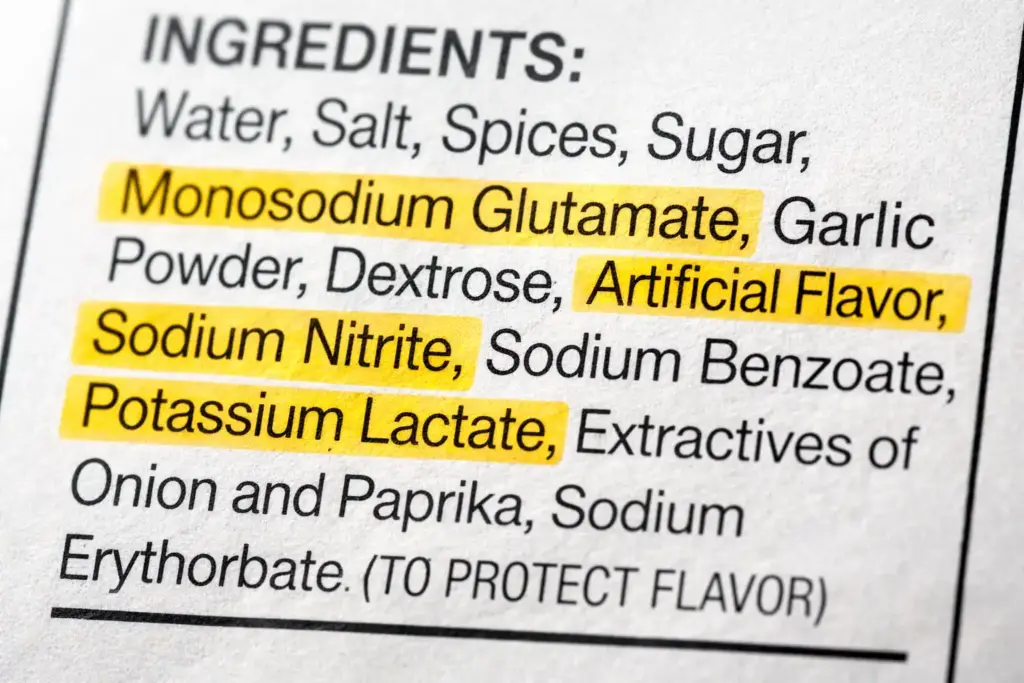
Have you ever glanced at a long list of ingredients on a food label and wondered what they all are? Words like “monosodium glutamate” or “sodium benzoate” don’t exactly sound like they belong in a kitchen. These ingredients are known as food additives, and they’re intentionally added to foods for specific purposes.
The Purpose of Food Additives
Food additives are substances added to food to maintain or improve its safety, freshness, taste, texture, or appearance. They serve several important functions, from preventing spoilage to enhancing flavor. Without them, many of the foods we rely on would not be as safe, affordable, or convenient.
There are thousands of different food additives, each with a specific job. They are generally categorized by their function.
Common Types of Food Additives
- Preservatives: These slow down product spoilage caused by mold, air, bacteria, or yeast. In addition to maintaining the quality of the food, they help control contamination that can cause foodborne illness. Common examples include nitrates and nitrites in cured meats, sulfites in wine, and sodium benzoate in acidic foods like salad dressings and sodas.
- Sweeteners: Used to add sweetness with fewer calories than sugar, sweeteners are common in products labeled “sugar-free” or “diet.” Examples include aspartame, sucralose, and stevia.
- Color Additives: These are used to enhance, correct, or restore color in food. For instance, beta-carotene is often added to margarine to give it a yellow color, while other dyes might be used in candies, soft drinks, and desserts to make them more visually appealing.
- Flavor Enhancers: These are used to enhance the existing flavors of a food. The most well-known is monosodium glutamate (MSG), which brings out a savory, “umami” taste in soups, processed meats, and snack foods.
- Emulsifiers and Stabilizers: These additives help to mix ingredients that don’t normally mix well, like oil and water. They also give foods a consistent texture and prevent them from separating. Lecithin, often derived from soy, is a common emulsifier found in chocolate and salad dressings. Gums, like xanthan gum, are used as stabilizers in sauces and ice cream.
Understanding Food Contaminants
Unlike additives, food contaminants are not intentionally added to food. They are substances that can be present in food as a result of production, manufacturing, processing, packaging, or environmental contamination. These contaminants can be harmful if consumed in significant amounts.
Sources of Food Contaminants
- Environmental Pollutants: Heavy metals like mercury, lead, and arsenic can contaminate food through polluted soil, water, and air. For example, mercury can accumulate in large predatory fish, while arsenic can be found in rice and some fruit juices. Pesticide residues from agriculture can also remain on fruits and vegetables.
- Industrial Chemicals: Chemicals used in industrial processes can sometimes find their way into the food supply. Polychlorinated biphenyls (PCBs) and dioxins are persistent environmental pollutants that can accumulate in the fatty tissues of animals.
- Packaging Materials: Substances from food packaging can migrate into the food itself. Bisphenol A (BPA), once common in plastic containers and the lining of cans, and phthalates are examples of chemicals that have raised health concerns.
- Natural Toxins: Some foods naturally contain toxins. For instance, aflatoxins are produced by molds that can grow on crops like peanuts and corn, especially if they are stored in warm, damp conditions.
Health Concerns and Safety Regulations
The primary concern for consumers is the potential long-term health impact of ingesting these substances. Some additives have been linked to allergic reactions or other health issues in sensitive individuals. For example, some people report headaches or nausea after consuming MSG, while sulfites can trigger asthma attacks in those with a sensitivity.
Similarly, long-term exposure to certain contaminants is associated with serious health risks. Heavy metals like lead and mercury can affect brain development and function, especially in children. Other chemical contaminants are considered endocrine disruptors, meaning they can interfere with the body’s hormonal systems.
To protect consumers, government bodies like the U.S. Food and Drug Administration (FDA) regulate food additives. Before an additive can be used in food, it must undergo rigorous safety testing and be approved. The FDA sets an “acceptable daily intake” (ADI) level for each additive, which is the amount that can be safely consumed daily over a person’s lifetime without adverse health effects. These levels are set with a large margin of safety. If new evidence suggests an additive might be unsafe, its approval can be withdrawn.
For contaminants, regulatory agencies set tolerance levels or action levels for their presence in food. These are the maximum levels of a contaminant that are considered safe for consumption. Foods that exceed these levels are not allowed to be sold.
How to Reduce Your Exposure
While regulatory systems are in place to ensure food safety, you can take additional steps to minimize your exposure to potentially harmful substances.
- Eat a Varied Diet: Eating a wide variety of foods can help reduce your risk of overexposure to any single pesticide or contaminant. Don’t rely on the same few foods every day.
- Choose Whole Foods: Processed foods tend to contain the most additives. Focusing on fresh fruits, garden fresh vegetables, lean proteins, and whole grains will naturally reduce your intake of preservatives, colorings, and flavor enhancers.
- Read Labels Carefully: When you do buy packaged foods, take a moment to read the ingredient list. If you’re concerned about specific additives, look for products with shorter, more recognizable ingredient lists.
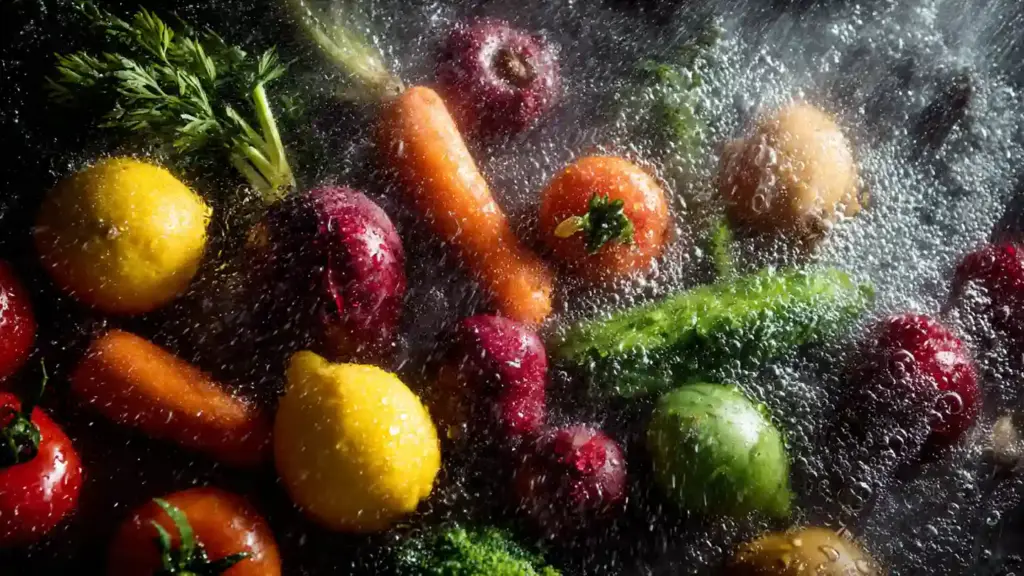
- Wash Produce Thoroughly: Rinsing fruits and vegetables under running water can help remove some pesticide residues from the surface. For firm produce, using a scrub brush can be effective.
- Be Mindful of Food Packaging: Opt for glass, stainless steel, or BPA-free plastic containers for storing, heating food and green living. Avoid microwaving food in plastic containers unless they are specifically labeled as microwave-safe.
- Stay Informed: Pay attention to public health advisories about food safety, especially regarding contaminants like mercury in fish. This can help you make safer choices for yourself and your family. A qualified toxicology consultant can also offer specialized guidance for specific concerns.
Conclusion
Navigating the world of food additives and contaminants can feel complex, but it doesn’t have to be overwhelming. By understanding their purpose, being aware of potential risks, and adopting a few simple habits, you can take control of what you eat.