Orthodontic treatment is a significant investment in your health and confidence. Whether you’re a teenager navigating high school sports or an adult maintaining an active lifestyle, protecting that investment is crucial. Brackets, wires, and appliances are intricate and can be delicate. A sudden impact to the face doesn’t just risk a cut lip or a broken bracket; it can set your treatment back by months or cause serious dental trauma.
The First Line of Defense: Mouthguards
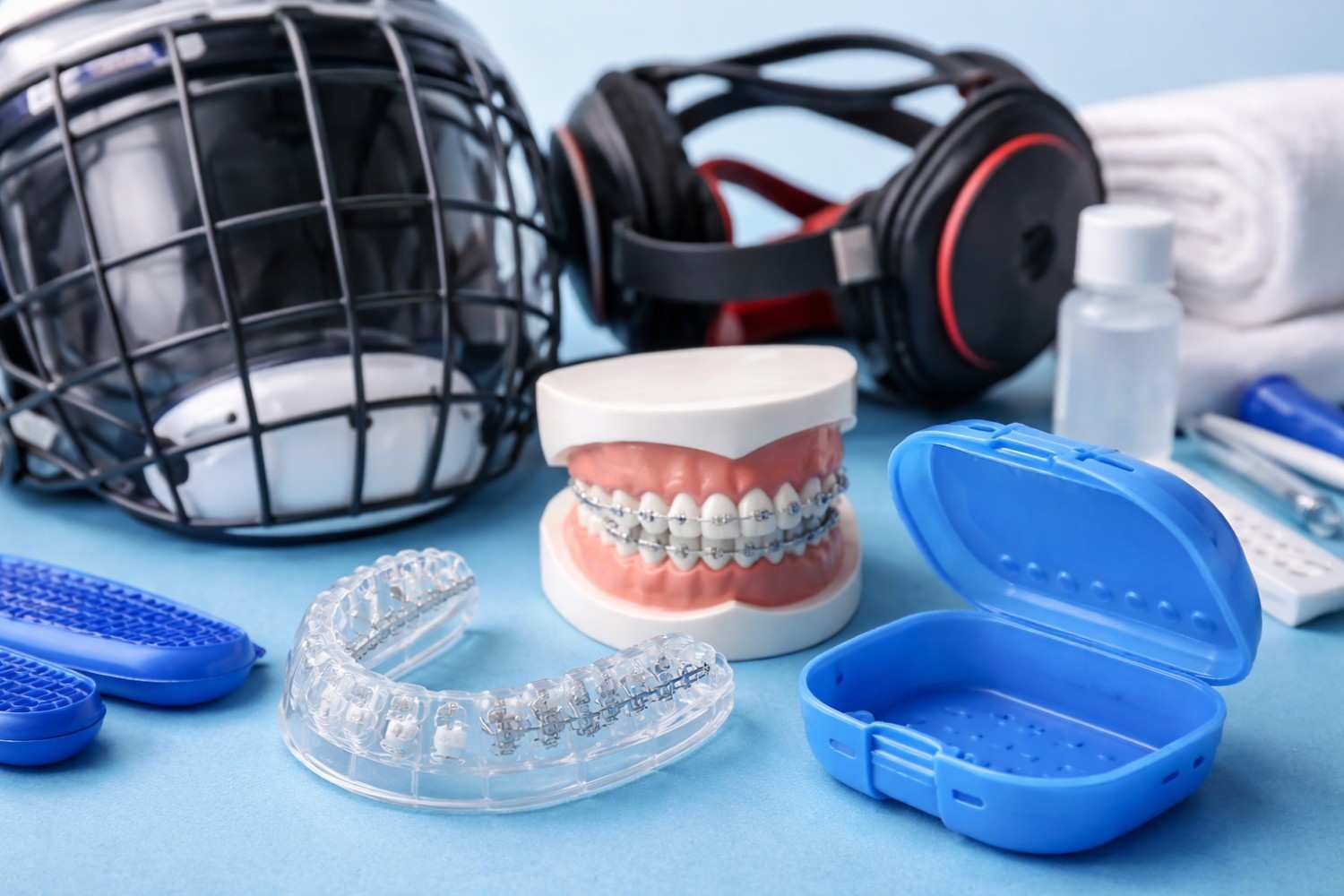
Mouthguards are arguably the most important piece of protective equipment for anyone with braces. They act as a cushion, absorbing shock from impacts and preventing your lips and cheeks from being lacerated by brackets and wires. Not all mouthguards are created equal, however, especially when you have hardware on your teeth.
Why Standard Mouthguards Don’t Always Work
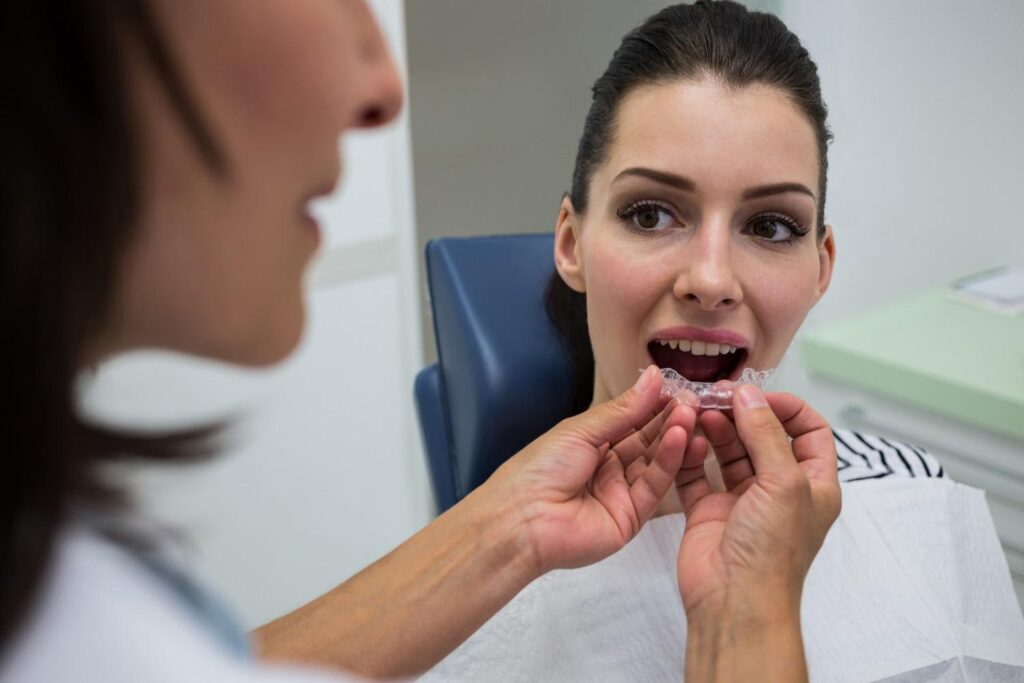
You might be tempted to grab a generic “boil-and-bite” mouthguard from the sporting goods store, but these can be problematic for orthodontic patients. As your teeth move during treatment, a rigid mold that fit perfectly last month might not fit today. Forcing a tight mouthguard over shifting teeth can actually hinder tooth movement or damage the brackets.
Orthodontic Mouthguards
Specific orthodontic mouthguards are designed with these challenges in mind. They are typically made from high-grade silicone that is flexible and requires no boiling or molding. They feature a special channel or extra width to accommodate brackets and wires comfortably. This design allows for the natural movement of teeth during treatment while still providing essential protection.
When to use them: You should wear an orthodontic mouthguard during any activity where there is a risk of contact with other players or hard surfaces. This includes contact sports like football, basketball, and hockey, but also activities like skateboarding or gymnastics where falls are possible.
Headgear: Safety Beyond the Mouth
While less common in modern contact sports, headgear remains a vital component of safety in wrestling and certain martial arts. For orthodontic patients, the interaction between headgear and braces requires special attention.
Preventing Soft Tissue Injury
In wrestling, the constant close contact creates a high risk of facial abrasion. If an opponent’s arm or head presses hard against your mouth, the braces can cut into the inside of your lips. While headgear protects the ears and head, it doesn’t cover the mouth. Therefore, combining headgear with a mouthguard is non-negotiable.
External Orthodontic Headgear
Confusingly, the term “headgear” is also used for a specific orthodontic appliance worn to correct bite issues. If your treatment plan includes orthodontic headgear (the kind with straps and a facebow), you must remove it during sports. Physical activity with this appliance carries a high risk of injury if the facebow is struck or pulled, potentially causing trauma to the face or eyes. Always follow your orthodontist’s specific instructions regarding when to wear and remove this appliance.
The Superior Fit of Custom Mouthguards
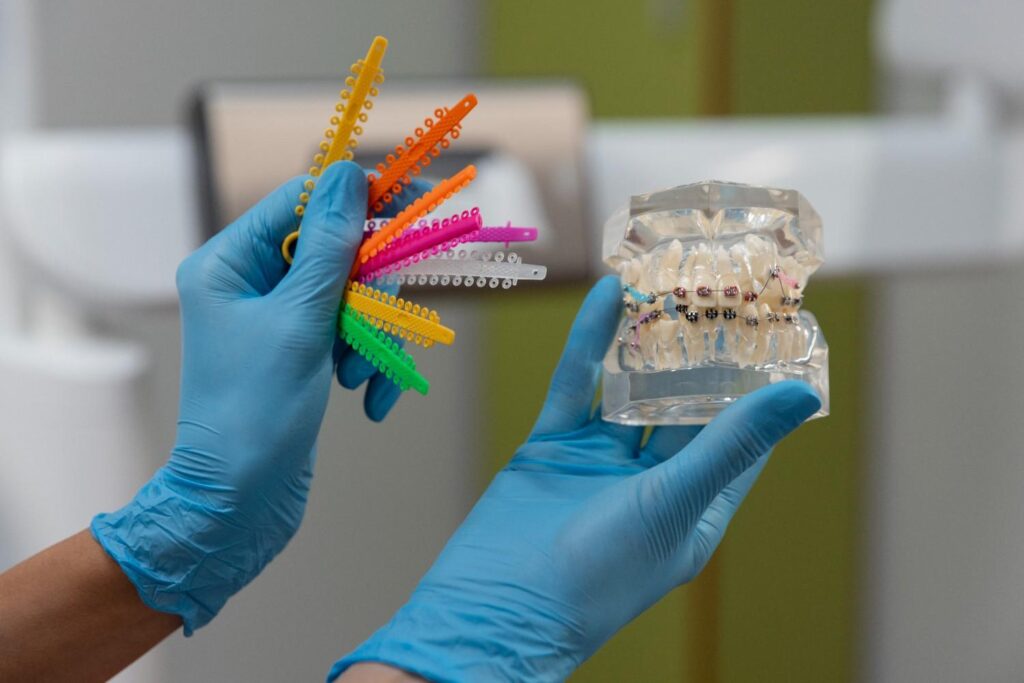
For the highest level of protection and comfort, a custom-made mouthguard is often the best choice. Unlike store-bought versions, these are fabricated by a dental professional based on an impression or digital scan of your teeth.
Benefits of Customization
1. Precise Fit: Because they are made for your specific mouth, they stay in place better than any generic guard. This allows for easier breathing and speaking, which is vital during intense athletic performance.
2. Adaptive Protection: Your orthodontist can design the guard to allow for the anticipated tooth movement, or they can advise on when a new guard might be necessary as your bite changes.
3. Maximum Shock Absorption: Custom guards are often thicker in critical areas, providing better protection against concussions and jaw fractures compared to thinner, over-the-counter options.
Obtaining a Custom Guard
To get a custom mouthguard, you will need to schedule an appointment with your dentist or orthodontist. They will take a mold of your teeth and braces. While the cost is higher than a store-bought version, the durability and superior protection often make it a worthwhile investment, particularly for athletes in high-impact sports.
Facial Shields for High-Impact Activities
Sometimes, a mouthguard alone isn’t enough. In sports where hard projectiles or equipment are involved—such as baseball, softball, cricket, or hockey—facial shields or full-face cages attached to helmets provide comprehensive protection.
A ball striking the face can do extensive damage to orthodontic work, potentially shattering brackets or bending wires significantly. A boxing mouth guard offers excellent protection for the teeth and jaws, but it cannot stop a puck or ball from impacting the nose or eyes. A facial shield creates a physical barrier that deflects these objects entirely.
If you participate in sports that utilize helmets, opt for one with a cage or clear shield. Ensure it is properly fitted so that it doesn’t press against the chin or jaw, which could transfer impact forces to your teeth.
Care and Maintenance of Your Gear
Protective equipment is only effective if it is clean and in good condition. Bacteria love dark, moist environments, making a dirty mouthguard a breeding ground for germs that can cause illness or tooth decay.
Daily Cleaning: Rinse your mouthguard with cool water and a small amount of mild soap or toothpaste before and after each use. Avoid hot water, as it can warp the material.
Deep Cleaning: Once a week, soak your mouthguard in an antimicrobial denture cleaner or a solution specifically made for mouthguards. This helps kill bacteria and keeps the material fresh.
Storage: Always store your mouthguard in a sturdy, ventilated plastic case. This protects it from physical damage (like getting crushed in a gym bag) and allows air to circulate, preventing mold growth.
Regular Inspection: Check your equipment regularly for tears, holes, or rough edges. If your mouthguard starts to feel loose or uncomfortable due to shifting teeth, it’s time to replace it. A worn-out guard offers significantly less protection.
Conclusion
Wearing braces is a temporary phase that leads to a lifetime of confident smiles. It’s important not to let preventable injuries derail that progress. By equipping yourself with the right protective gear—whether it’s a flexible orthodontic mouthguard, a custom-fitted piece, or a full facial shield—you ensure that your teeth remain safe while you stay active.