
Winter in the city has a distinct aesthetic. There is a quiet beauty to snow-dusted brownstones and the hushed atmosphere of a usually busy street after a fresh powder. However, for homeowners, this picturesque scenery often hides a harsh reality. Cold weather, ice, and fluctuating temperatures wage a silent war against the structural integrity of your property.
Unlike suburban homes, city dwellings often face unique challenges. Shared walls, aging masonry, flat roofs, and intricate drainage systems can make urban structures particularly vulnerable to the elements. The damage isn’t always immediate; often, it is a slow accumulation of stress that leads to costly repairs come spring. Understanding how winter affects your home is the first step in fortifying it against the season’s crushing weight and biting cold.
The Invisible Threat of the Freeze-Thaw Cycle
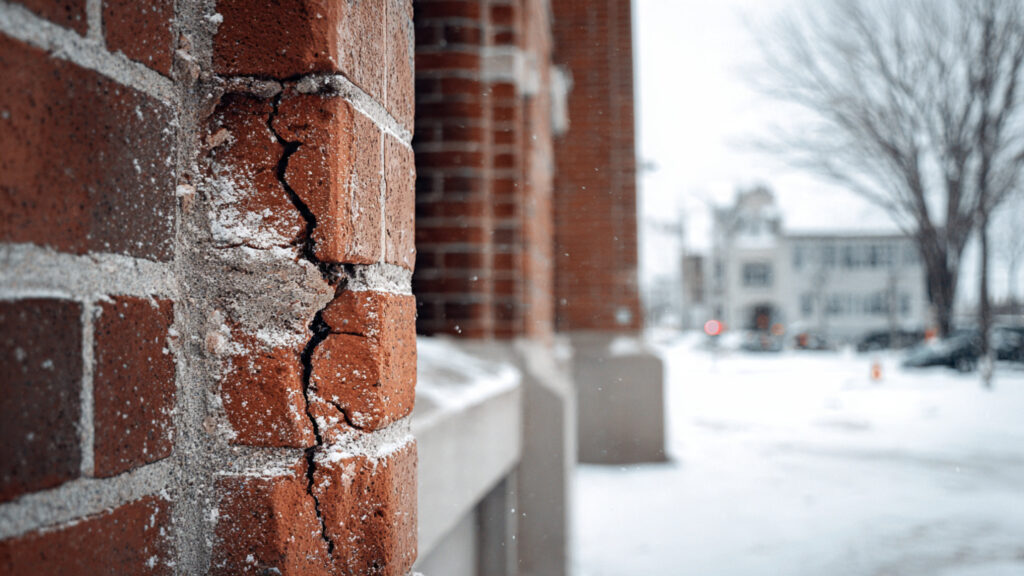
One of the most damaging forces in winter is not a single blizzard, but the fluctuating temperatures that follow. The “freeze-thaw cycle” occurs when water seeps into small cracks in your home’s exterior—whether in brickwork, concrete, or pavement—and then freezes.
When water turns to ice, it expands by approximately 9%. This expansion exerts tremendous pressure on the surrounding material, widening existing cracks and creating new ones. When the ice melts, the water penetrates deeper into the newly widened fissure, only to freeze and expand again when the temperature drops.
For city homes, often built with older masonry or brick, this can lead to spalling, where the face of the brick flakes off, or crumbling mortar joints. To prevent this, inspect your building’s facade before the deep freeze sets in. Sealing small cracks and repointing damaged mortar can keep water out and maintain the structural strength of your walls.
Managing the Weight on Your Roof
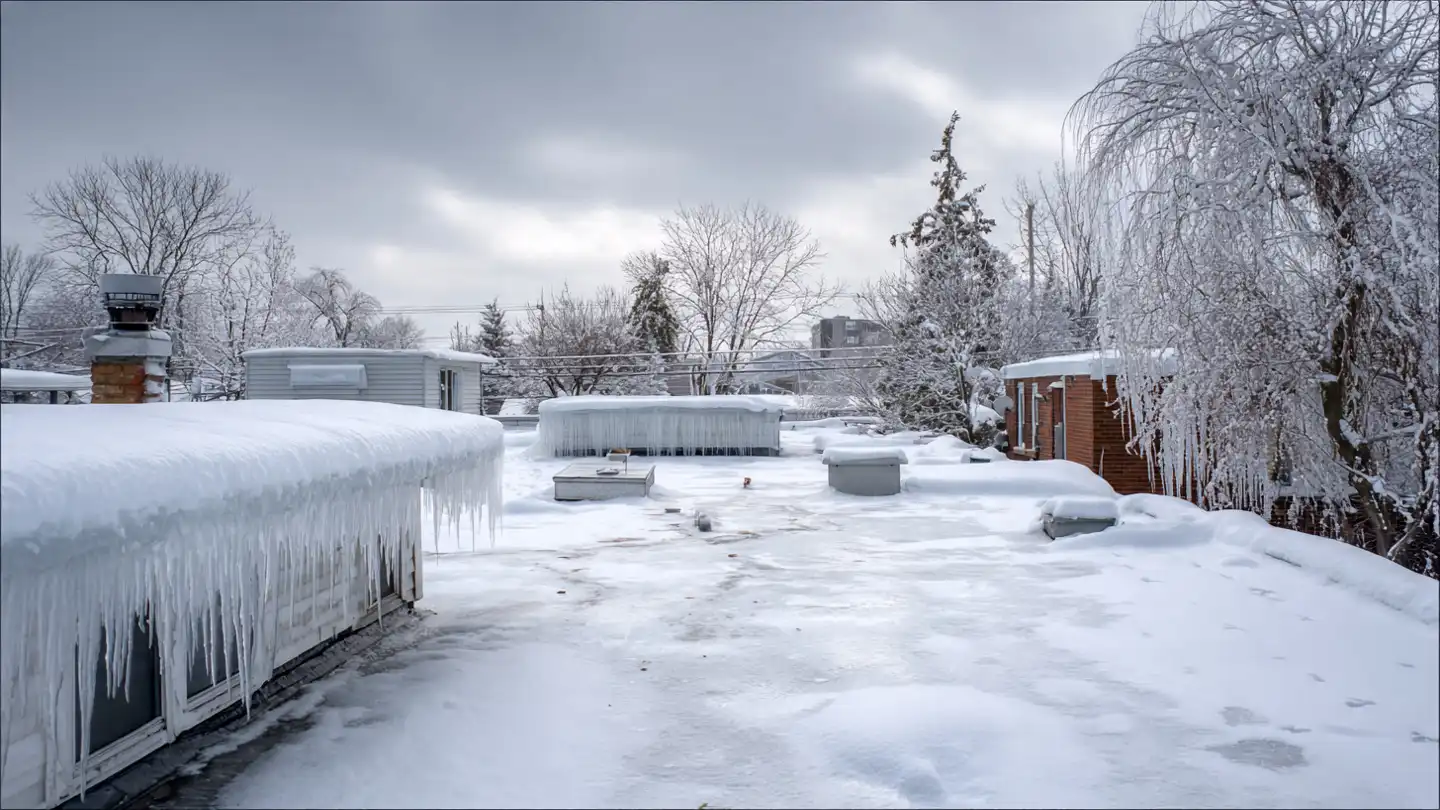
Urban roofs, particularly the flat or low-slope varieties common in row houses and city apartments, are susceptible to snow accumulation. While a fluffy layer of fresh snow might look light, it can quickly become dangerously heavy. As snow melts and refreezes, or as rain falls on top of existing snow, the load increases significantly.
Excessive weight can strain roof trusses and lead to leaks or, in extreme cases, collapse. But the more common issue is the formation of ice dams. These occur when heat escapes from your home, melting the snow on the roof. The water runs down to the colder eaves and refreezes, forming a ridge of ice that blocks proper drainage. This trapped water can back up under shingles or roofing membranes, causing leaks that damage ceilings and walls.
Prevention involves two main strategies: better insulation and proactive snow management. Ensuring your attic or top floor is well-insulated keeps the heat inside your living space and the roof surface cold, preventing the melt-refreeze cycle. For areas with significant snowfall, some homeowners look to advanced solutions.
For example, roof snow melt systems in Utah and other high-elevation regions are becoming a popular way to automatically keep roof edges and gutters clear, ensuring that meltwater has a clear path to drain away from the structure.
Drainage Challenges in Dense Spaces
In a city environment, where homes are often built almost touching one another, drainage is a critical yet often overlooked issue. When snow melts, that water needs somewhere to go. If the alleyways or spaces between buildings are not properly graded, water can pool against your foundation.
This pooling water creates hydrostatic pressure against your basement walls. Combined with the freeze-thaw cycle mentioned earlier, this can lead to basement leaks and cracks in the foundation.
Ensure that your downspouts extend at least five feet away from the foundation, directing water toward the street or a storm drain rather than into the narrow gap between you and your neighbour. Keep gutters and downspouts free of debris.
If they are clogged with autumn leaves when the first freeze hits, they will fill with heavy ice, potentially pulling away from the fascia board and damaging the exterior of your home.
Protecting Against Salt and Chemical Erosion
City living means dealing with sidewalks and streets treated heavily with salt and de-icing chemicals. While necessary for pedestrian safety, these substances are corrosive. When salty slush splashes against your foundation or is tracked onto your front stoop, it acts as an abrasive chemical agent.
Over time, salt can eat away at concrete surfaces and degrade brick mortar near the ground level. It can also corrode metal railings and grate covers.
To mitigate this, try to rinse off your front steps and the base of your home’s facade during warmer days in the winter to dilute the salt accumulation. If you are responsible for treating the sidewalk in front of your home, consider using sand or non-corrosive de-icing alternatives like calcium magnesium acetate, which are gentler on concrete and masonry.
Draft-Proofing and Pipe Safety

Structural stress isn’t limited to the exterior. The extreme cold can affect the internal systems that keep your home running. In older city homes, plumbing often runs through uninsulated spaces like crawl spaces or against exterior walls.
When pipes freeze, they don’t just stop water flow; they can burst, causing significant flooding and structural water damage. Insulating exposed pipes is a cost-effective and simple DIY task that can save you thousands in potential repairs.
Furthermore, sealing drafts isn’t just about lower heating bills. Drafts are often a sign of gaps in the building envelope where moisture can enter. By using weatherstripping on doors and windows and sealing gaps around utility entry points, you are essentially tightening the seal of your home, protecting the interior structure from moisture and cold air infiltration.
Keeping Your Fortress Strong
Owning a home in the city requires a vigilant eye, especially during the winter months. The density of urban construction and the age of many city buildings mean that small issues can escalate quickly if left unchecked.
By understanding the mechanics of how ice, snow, and cold affect masonry and roofing, you can take proactive steps to minimize damage. Whether it’s clearing your gutters, patching mortar, or considering high-tech solutions like roof snow melt systems in Utah, the goal is the same: keeping the water out and the warmth in. A little maintenance now ensures that when the spring thaw finally arrives, your home emerges unscathed and ready for the warmer days ahead.